Catalpa speciosa
Northern Catalpa, Hardy Catalpa
Bignoniaceae
Habitat
- native to the midwest United States
- hardy to zone 4
- Special Note: This species has demonstrated an invasive tendency in Connecticut, meaning it may escape from cultivation and naturalize in minimally managed areas. For more information, .
Habit and Form
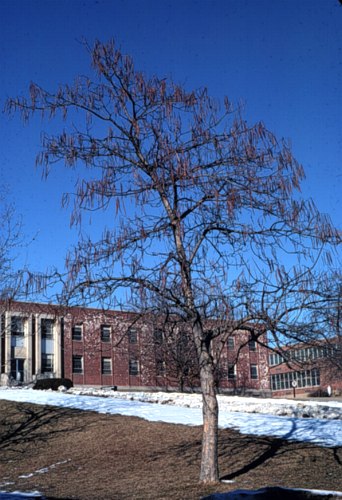
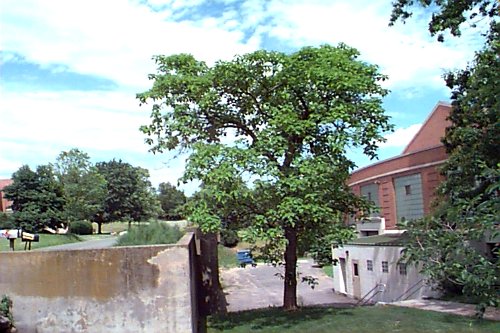
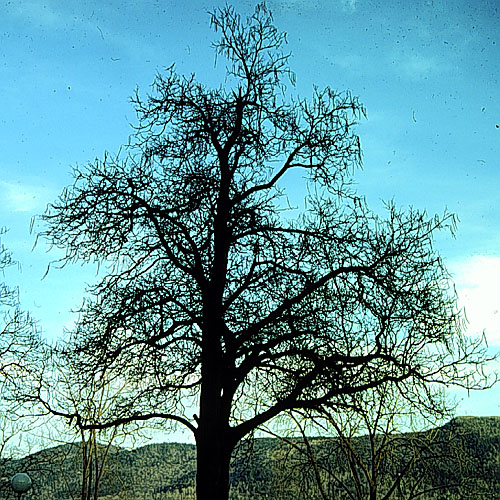
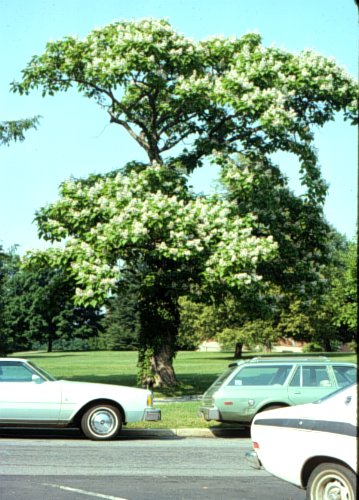
- a medium sized deciduous tree
- irregular, rounded crown
- 40' to 60' tall and about half as wide
- fast growth rate
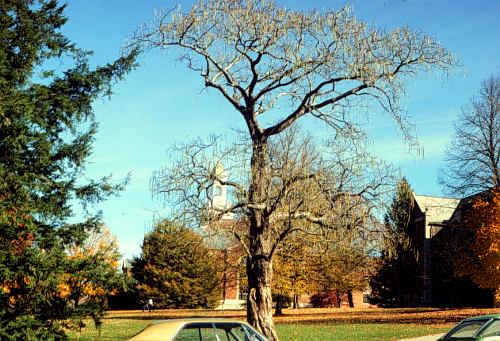
- medium summer texture and coarse winter texture
Summer Foliage
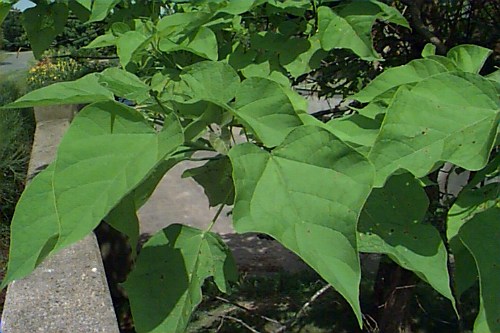
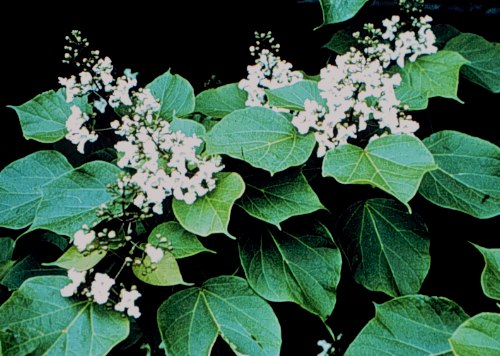
- opposite leaf arrangement, whorled towards stem tip
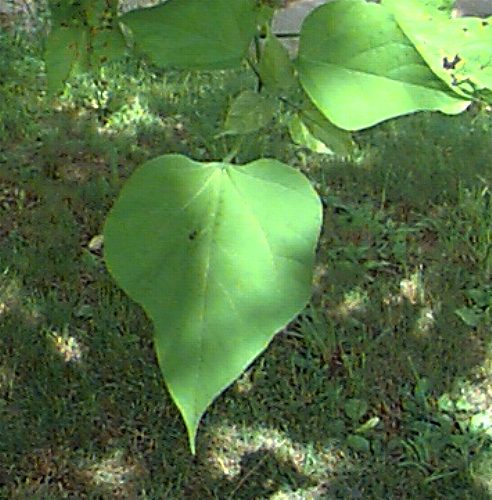
- simple, deciduous leaves
- 6" to 12" long and half as wide
- heart-shaped to arrowhead-like leaf form
- entire leaf margin
- kelly green leaf color
Autumn Foliage
- yellow-green fall color
Flowers
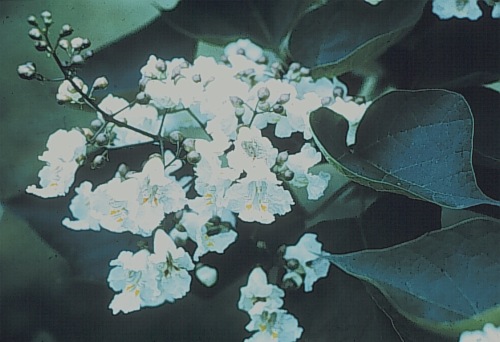
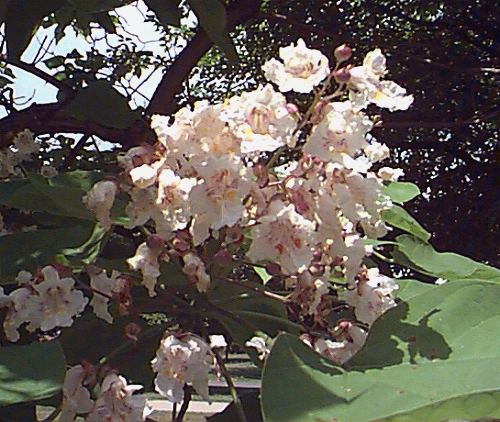
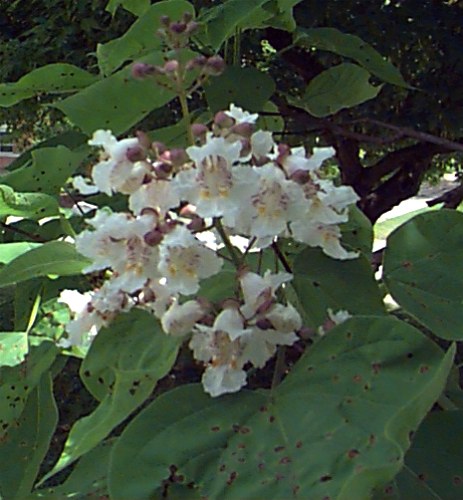
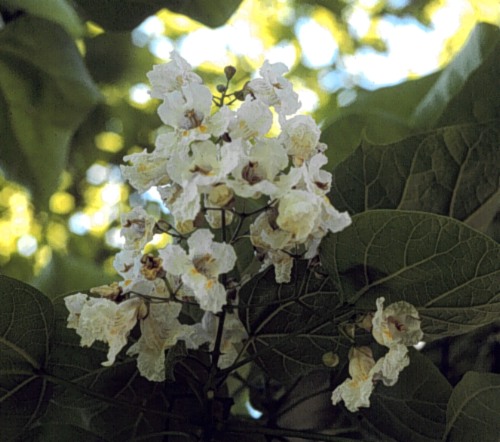
- perfect, white flowers
- 2" in diameter
- bell-shaped
- wavy, petal edges
- spotted throat
- borne in long panicles (terminal) 4" to 8" long
- blooms in June
Fruit
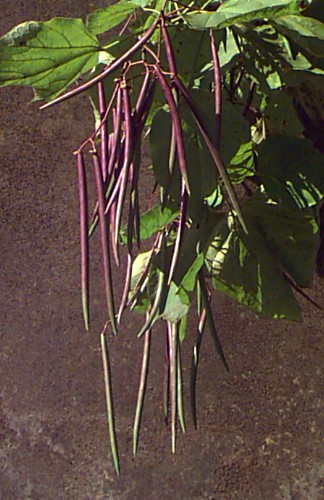
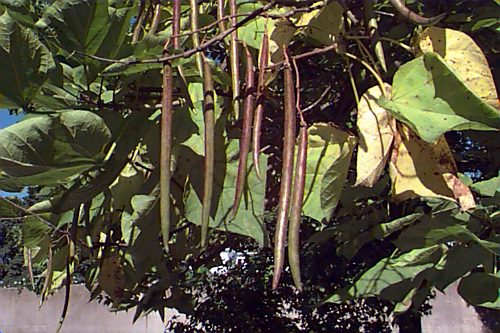
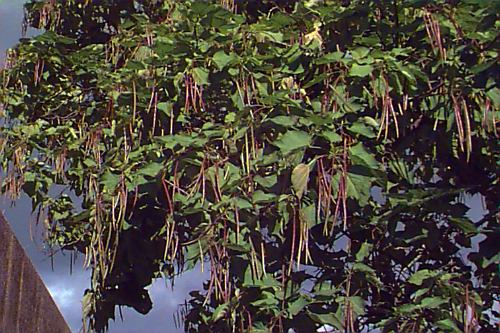
- long, bean-like capsule
- 8" to 20" long
- green
- persist
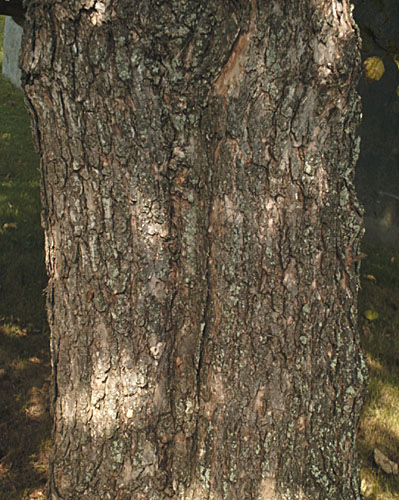
Bark
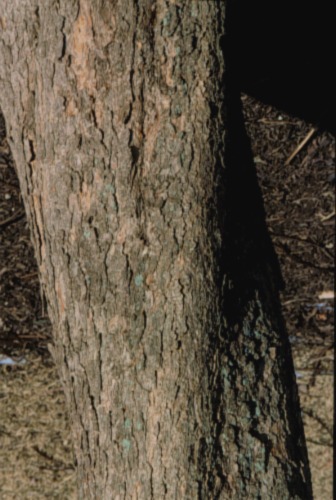
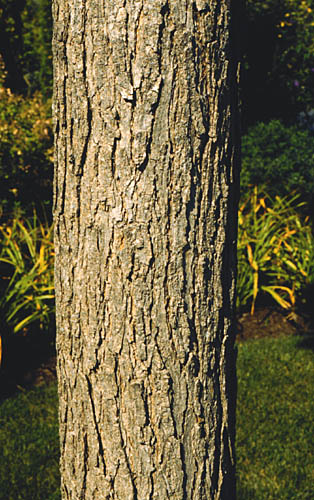
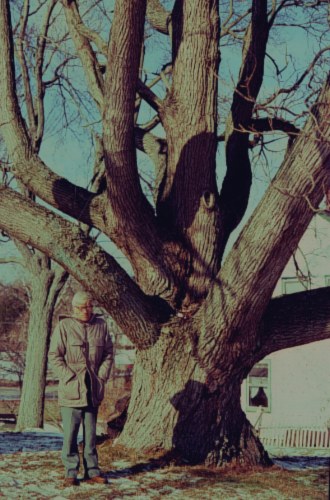
- grayish-brown bark color
- bark is ridged and furrowed
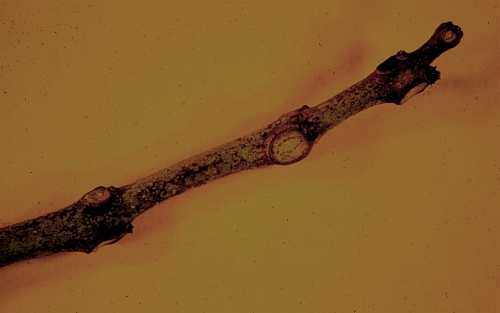
- stout, smooth, pubescent stems
- lenticels
- large, circular leaf scars
Culture
- transplants readily
- soil tolerant
- full sun to partial shade
Landscape Use
- for winter characteristics
- for lawn tree
- for park tree
- for flowering effect
Liabilities
- leaf spots
- powdery mildew
- twig blight
- fruit litter
ID Features
- no terminal buds
- terminal flower clusters
- flowers have distinctly spotted throats
- long, bean-like capsule up to 20"
- large, circular leaf scars
- pubescent stems
- opposite leaf arrangement, with whorled tips
Propagation
- by seed
- by root cuttings
Cultivars/Varieties
- none