Gymnocladus dioicus
Kentucky Coffeetree
Leguminosae
Habitat
- native to the eastern and central United States
- not common in any part of its native range
- hardy to zone 4
Habit and Form
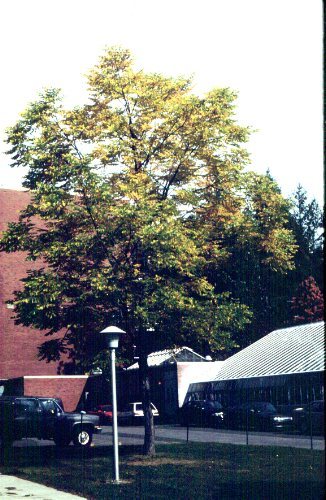
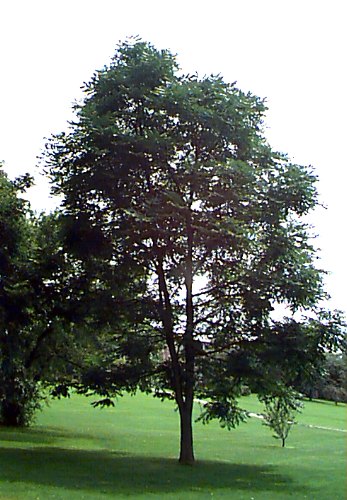
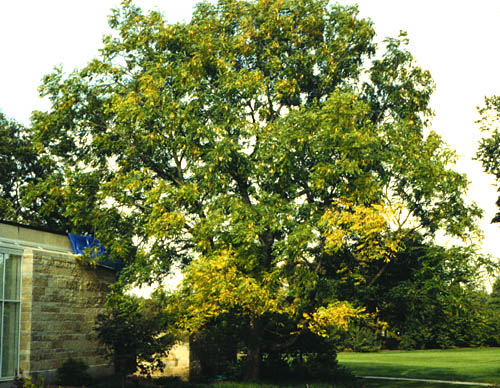
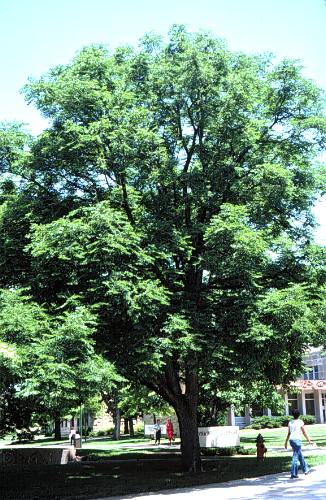
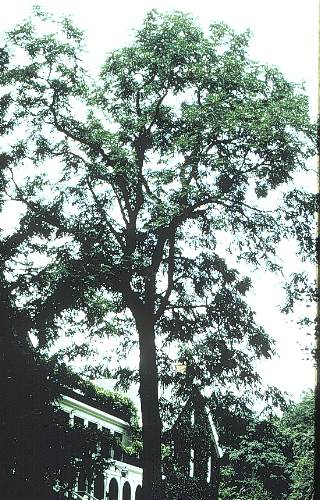
- a large deciduous tree
- grows up to 75' tall or even larger
- develops a 40' to 50' spread
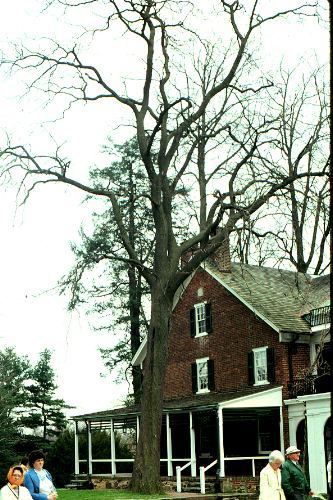
- upright to irregular branching
- coarse, but picturesque branching in winter
- shape is obovate
Summer Foliage
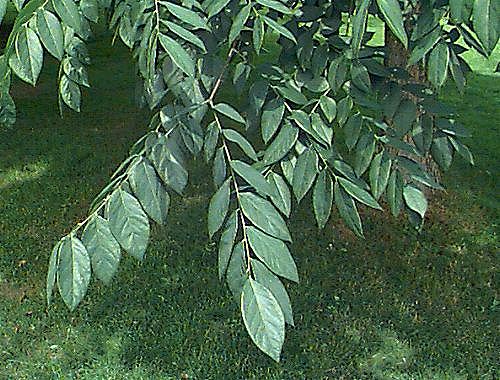
- alternate leaf arrangement
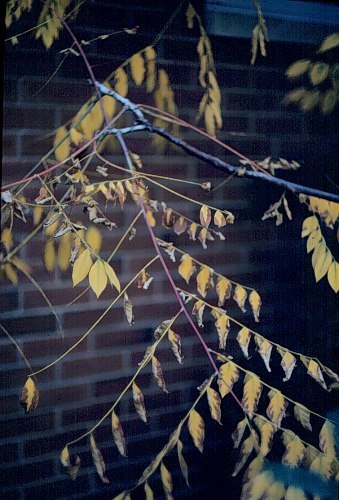
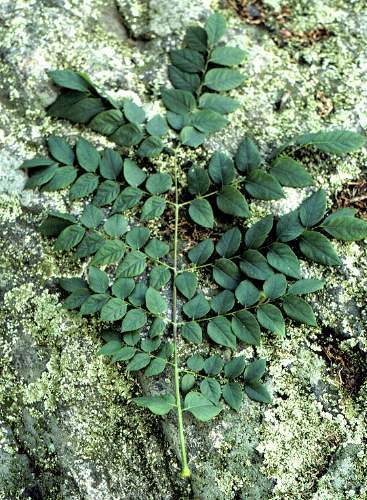
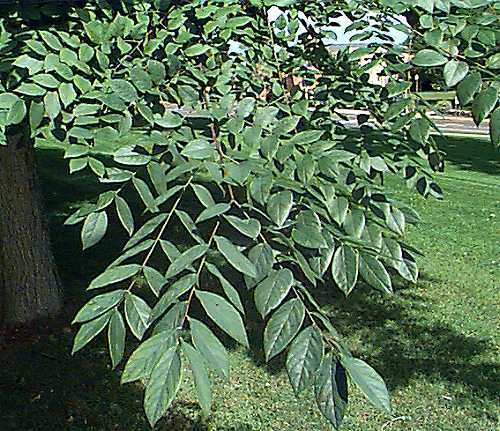
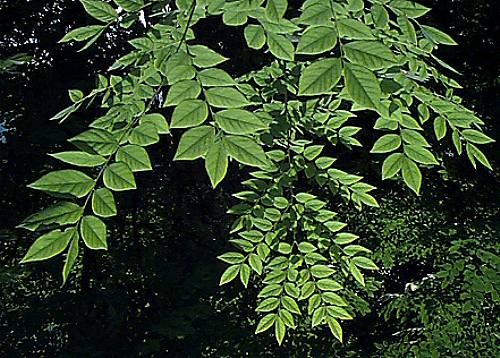
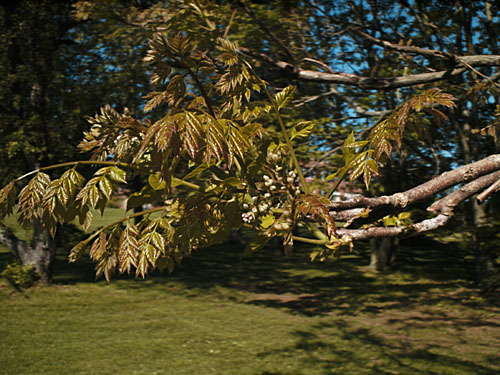
- bipinnately compound leaves
- leaves are up to 3' long and 2' wide
- 6 to 14 pinnae (leaflets) per leaf
- each pinnae can have 6 to 14 leaflets
- leaf color is dark green or blue-green
- late to leaf out in spring
- newly emerging leaves are tinged with pink
Autumn Foliage
- inconsistent
- sometimes a good yellow, but often not good
- fallen leaves are somewhat of a litter problem due to the large rachis
Flowers
- dioecious, with male and female plants
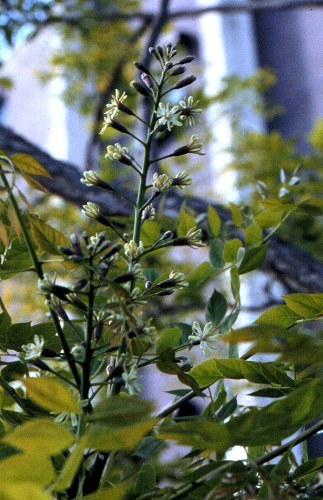
- greenish white 0.75' to 1" long flowers
- flowers held in large panicles; 8" to 12" long for females and 3" to 4" long for males
- flowers not highly ornamental, but interesting
Fruit
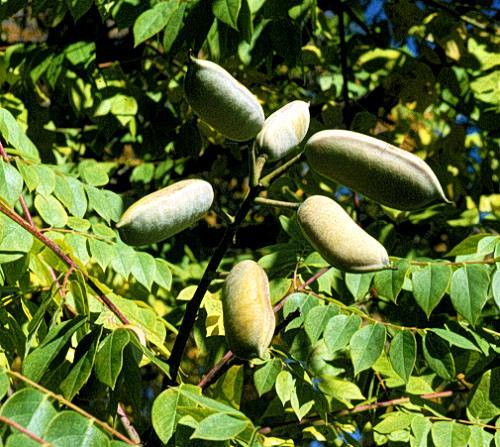
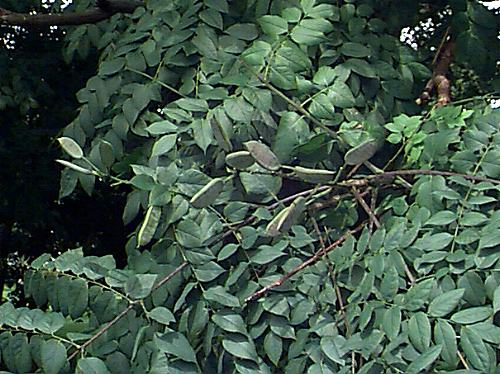
- a chunky, dark reddish brown pod
- 5" to 10" long and 1.5' to 2" wide
- leathery texture
- ripens in October
- large, very hard seeds inside pod
- fruit may be considered a litter issue
Bark
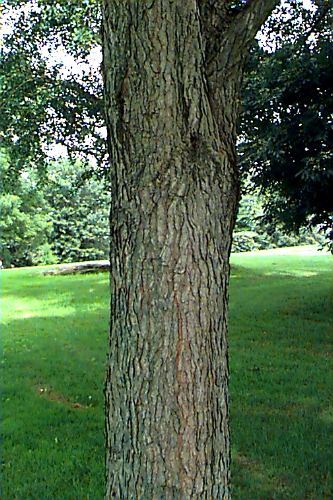
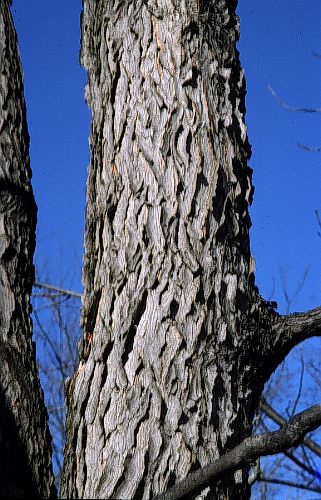
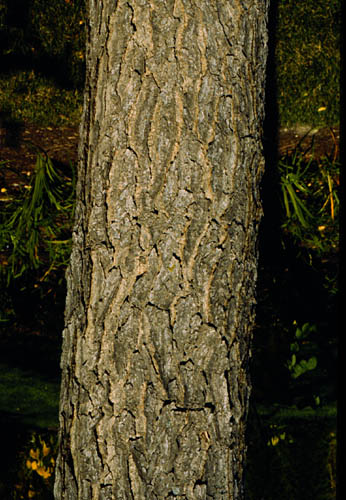
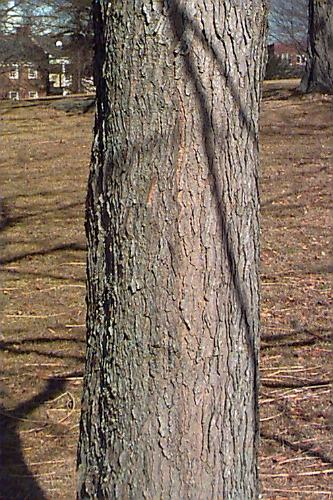
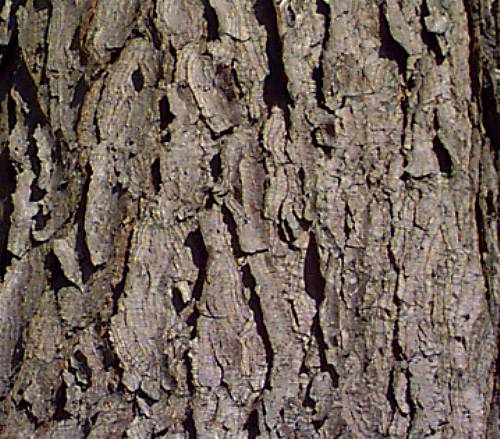
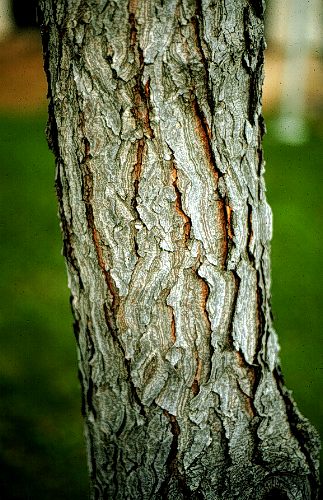
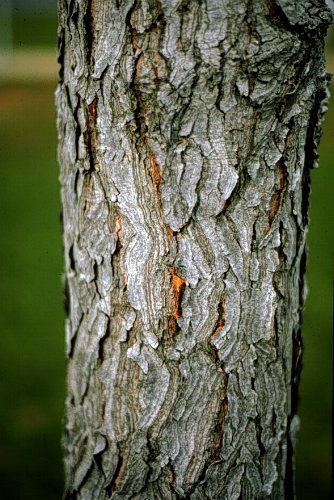
- interesting textured bark
- gray and ridged and furrowed with a rough look to it
Culture
- full sun
- prefers deep, moist, rich soil for best growth
- adaptable to many soils
- tolerant of drought
- tolerant of pollution
Landscape Use
- lawn tree
- shade tree
- parks
- golf courses
Liabilities
- hard to find in commerce
- litter potential from leaves and fruit
ID Features
- large tree
- coarse branching
- rough gray bark
- stout twigs
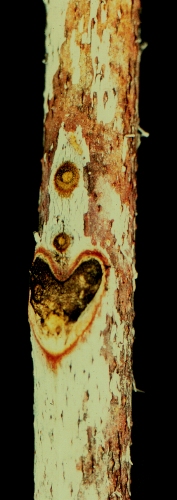
- buds embedded in wood, barely visible through a small "belly button"-like opening
- bud considerably above the leaf scar
- female plants with large, chunky pods
- large heart-shaped leaf scars
Propagation
- by seed
- root cuttings offer a vegetative method
Cultivars/Varieties
'Expresso', 'J.C. McDaniel' (Prairie Titan®) and 'Stately Manor' - At the current time, these cultivars are rarely offered in the trade. They are all male (fruitless) selections selected for their upright branching habit which is elm-like and much taller than wide (50'-70' tall and 20'-40' wide). This branching habit may make them suitable as street trees.