Pterostyrax hispida
Fragrant Epaulettetree
Styracaceae
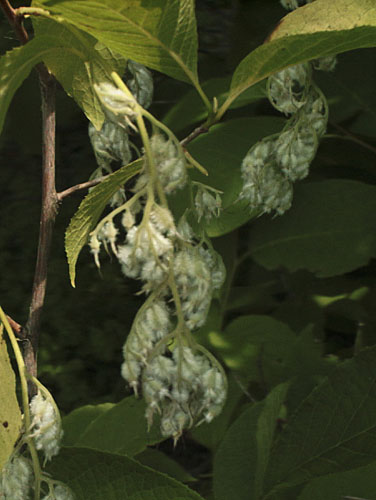
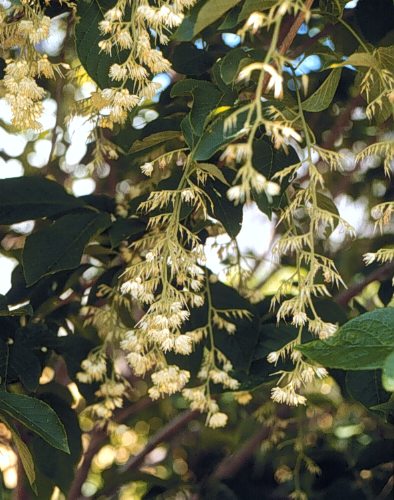
Habitat
- native to Japan
- zone 6, warmer parts of 5
Habit and Form
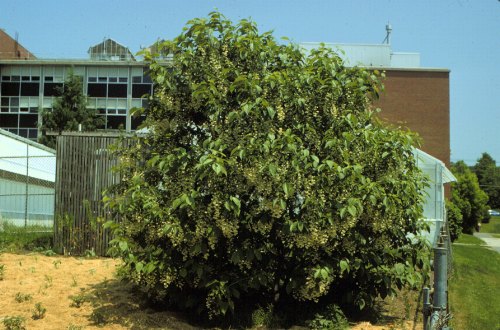
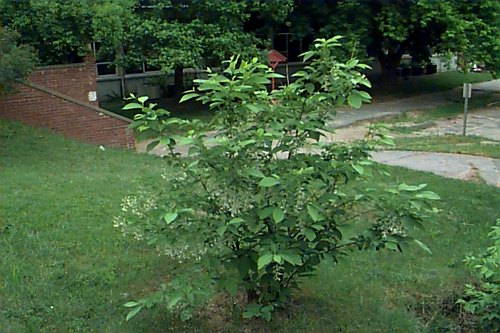
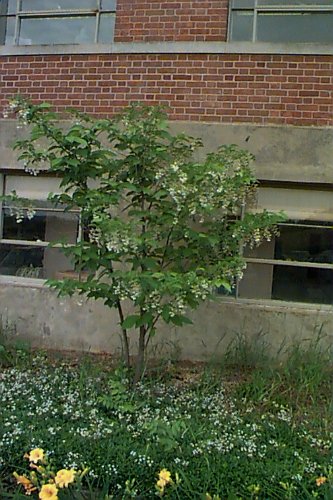
- a small to medium deciduous tree
- 25' to 45' tall
- rounded shape
- branching is spreading and crown
- is somewhat open and airy
Summer Foliage
- alternate, simple, deciduous leaves
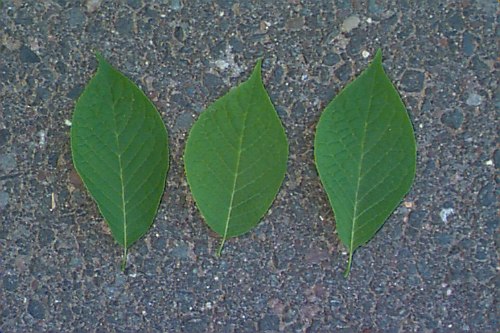
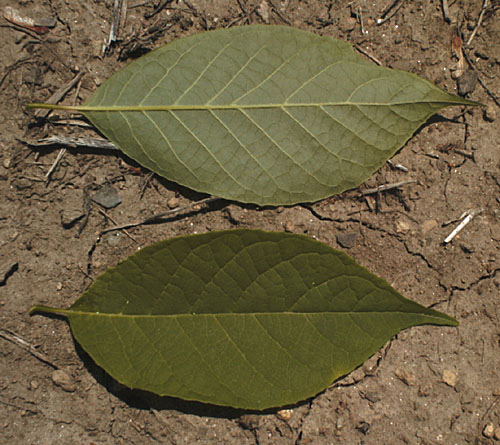
- 3" to 7" long adn about half as wide
- elongated ovate shape
- buds are naked
- leaves are silvery white below adn bright green above
- leaf margins finely toothed
Autumn Foliage
- yellow-green
- not attractive
Flowers
- blooms in end of May to early June
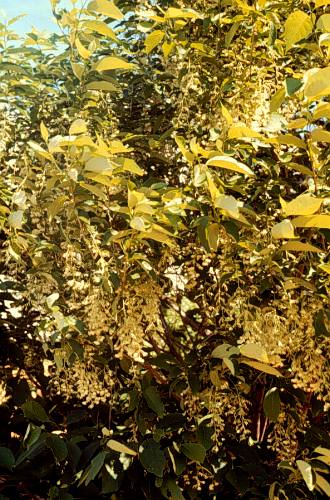
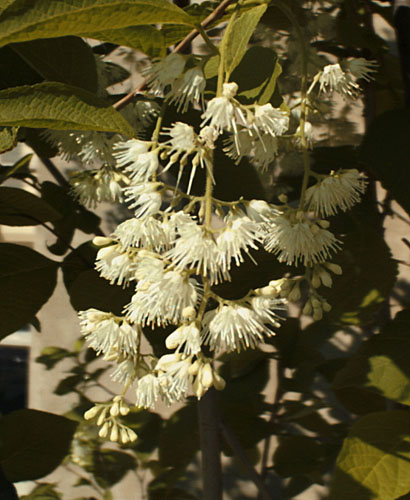
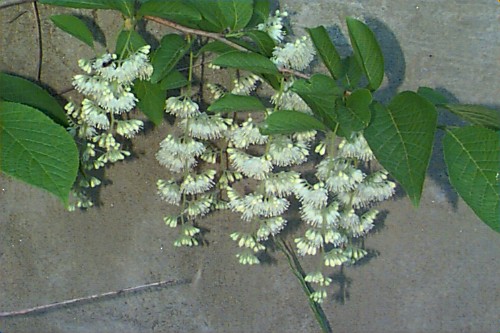
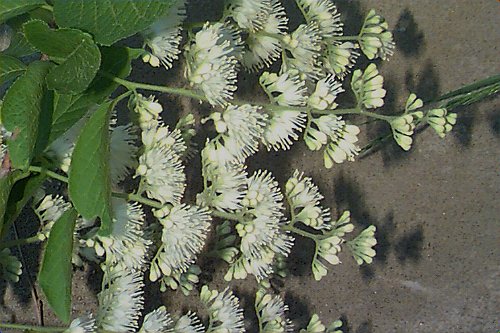
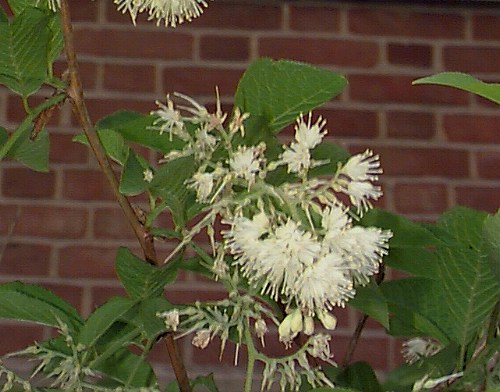
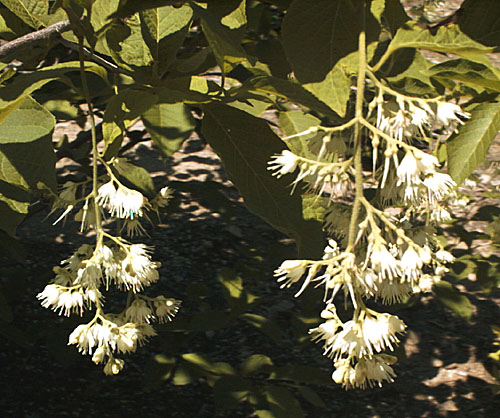
- 5" to 10" long pnaicles of white flowers
- frangrant and prendulous
- individual blossoms are small with a 5-lobed corolla
Fruit
- 0.5" long bristly, dry drupe
- not ornamentally significant
Bark
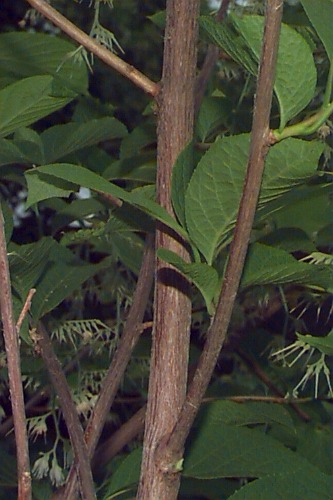
- young bark is tan and matures to gray
- smooth until old
Culture
- full sun to light shade
- prefers well-drained, moist, acid soil
- transplant from container for best results
- plant as old a plant as is possible in northern locations
- avoid sites that are difficult in the winter
Landscape Use
- for showy, fragrant flowers
- specimen
- patio tree
- excellent for small residential landscapes
Liabilities
- rare adn hard to locate in commerce
- flowers attract bees
- although established older trees can tolerate -20oF, younger trees will experience significant twig kill and bark split in harsh winters
ID Features
- large pendulous panicles of white flowers in early June
- naked buds
Propagation
- by cuttings
- by seed
Cultivars/Varieties
- none